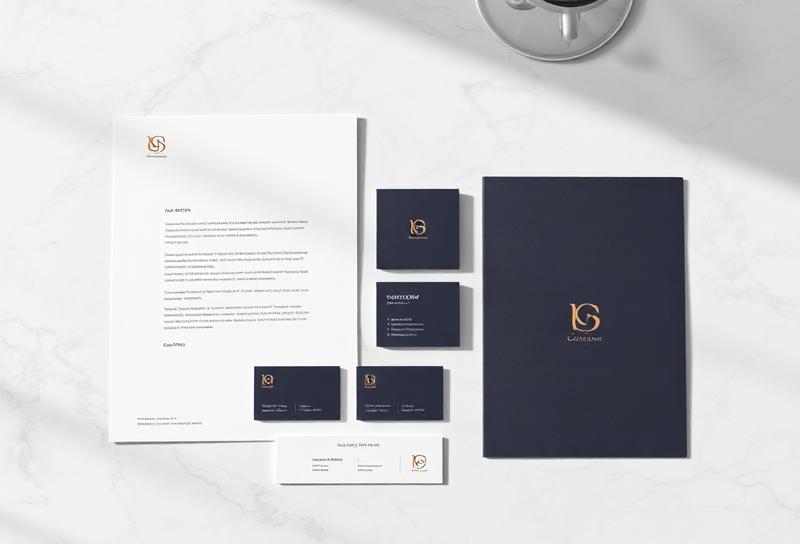
Why Good Branding Matters More Than You Think
When most people think of branding, they picture logos, colour schemes, and maybe a catchy tagline. But true branding runs much deeper—it's the sum total of every interaction someone has with your business, and the feelings those interactions evoke.
Strong branding isn't a luxury reserved for big corporations with massive marketing budgets. For small businesses, it might be even more critical, because you're competing for attention in increasingly crowded markets.
The Real Definition of Brand
Your brand is essentially your reputation. It's what people say about your business when you're not in the room. It's the gut feeling a potential customer gets when they see your name, visit your website, or interact with your team.
This means branding encompasses everything: your visual identity, yes, but also your tone of voice, customer service approach, the experience of working with you, and even the way you answer the phone.
Why Consistency Builds Trust
Humans are pattern-recognition machines. When we encounter consistency, we feel safe. When things are unpredictable or disjointed, we become wary.
This is why brand consistency matters so much. When your website, social media, business cards, and in-person interactions all feel cohesive, you're sending a powerful signal: this business is professional, reliable, and pays attention to details.
Inconsistency, on the other hand, creates cognitive dissonance. If your website feels modern and polished but your invoices look like they were made in Word 2003, customers notice—even if they can't articulate why something feels off.
The Economics of Strong Branding
Good branding isn't just about feelings—it has measurable business impact. Strong brands command premium pricing because customers perceive higher value. They enjoy better customer loyalty because emotional connections are harder to break than transactional ones. They spend less on marketing because recognition does heavy lifting.
Consider two coffee shops selling nearly identical products. One has thoughtful branding that creates a distinctive atmosphere and experience. The other is generic and forgettable. Which one can charge more per cup? Which one will customers drive past competitors to visit?
Starting Points for Small Business Branding
If you're feeling overwhelmed, start with these foundational elements:
Define your brand personality. If your business were a person, how would they speak? What would they value? What would make them distinctive at a dinner party?
Identify your core message. What's the one thing you want everyone to remember about your business? This should inform everything else.
Create visual consistency. Choose a colour palette, typography, and visual style that reflects your personality. Then apply it everywhere, without exception.
Document everything. Create simple brand guidelines so anyone creating materials for your business knows how to maintain consistency.
The Long Game
Building a strong brand doesn't happen overnight. It's the accumulation of hundreds of small, consistent decisions over time. But every touchpoint is an opportunity to reinforce who you are and what you stand for.
The businesses that understand this—that treat branding as an ongoing practice rather than a one-time project—are the ones that build lasting customer relationships and sustainable competitive advantages.
If you're ready to develop branding that truly represents your business and resonates with your ideal customers, I'd love to help. Learn more about my branding services or contact me to get started.
About Wyatt
Wyatt is a Canadian web designer and brand strategist helping small businesses build professional online presences. With a focus on clean design and clear communication, he creates websites that work as hard as you do.